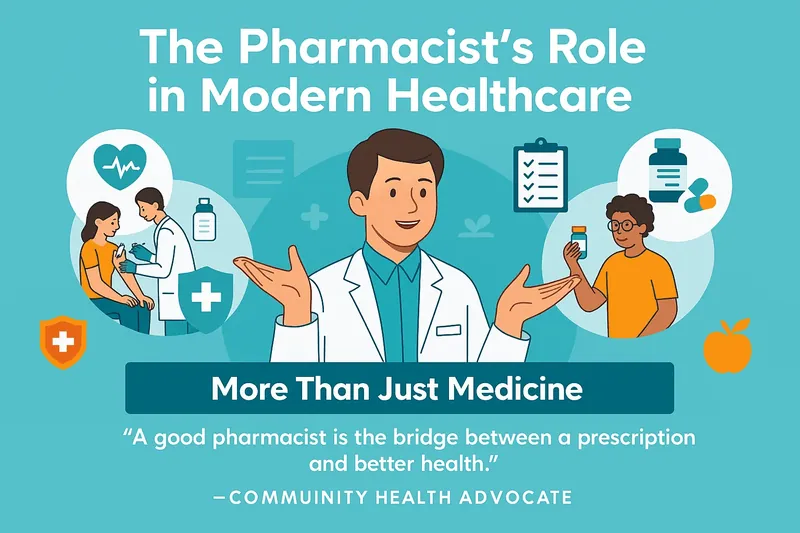
Pharmacists today are no longer just the people behind the counter handing out prescriptions—they are vital members of the healthcare team. With growing pressure on hospitals and GPs, pharmacists are stepping in to fill essential gaps in primary care.
Vaccinations & Preventive Care
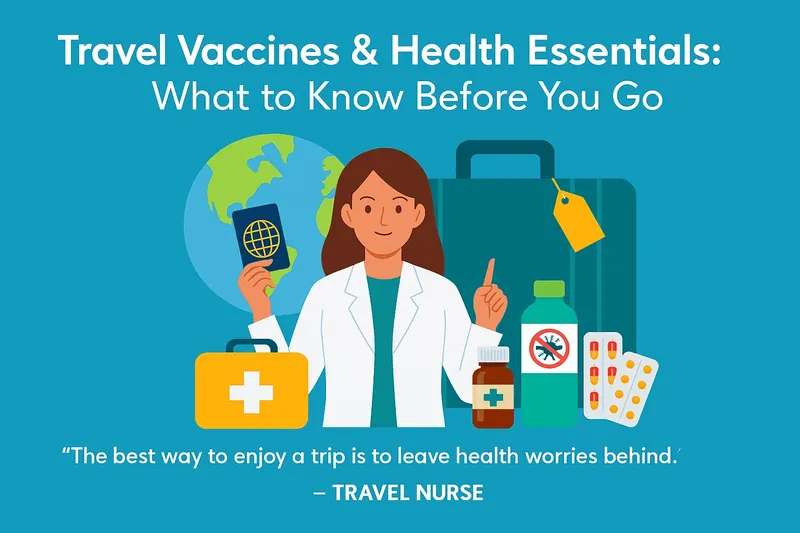
From flu shots to COVID-19 boosters and travel vaccines, pharmacists now routinely administer immunizations. Many pharmacies offer walk-in vaccination clinics, saving patients time and making public health more accessible.
Minor Ailments & Health Screenings
In many regions, pharmacists are authorized to assess and treat minor conditions such as urinary tract infections, conjunctivitis, cold sores, or skin rashes—no doctor needed. Pharmacies also offer screenings for blood pressure, blood glucose, and cholesterol, helping detect health issues early.
Medication Reviews & Chronic Condition Support
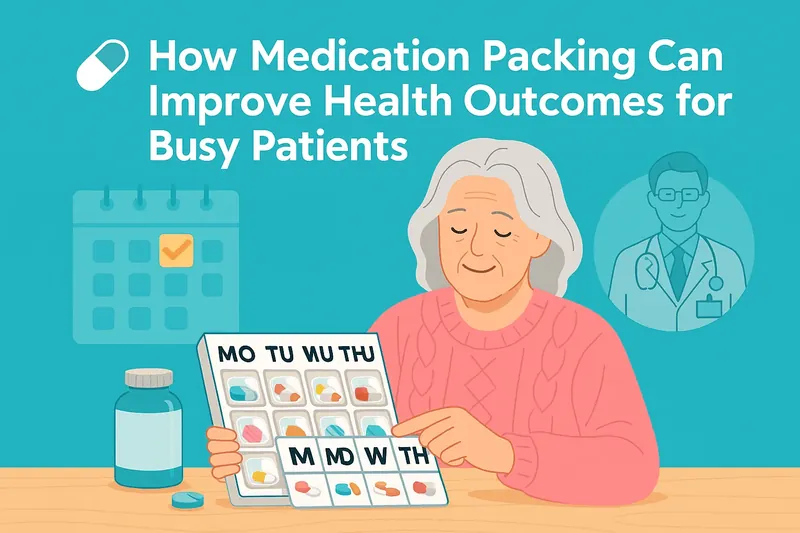
Pharmacists perform medication reviews to identify drug interactions, duplications, or improper use—especially for patients taking multiple prescriptions. They also help with chronic disease management for conditions like asthma, diabetes, and hypertension by reviewing inhaler technique or ensuring medication adherence.
Health Education & Lifestyle Support
Many pharmacies now run weight loss programs, smoking cessation services, and offer dietary guidance. Pharmacists are trained to provide counseling that empowers patients to make lasting lifestyle changes.
“A good pharmacist is the bridge between a prescription and better health.”
— COMMUNITY HEALTH ADVOCATE
Pharmacists are accessible, approachable, and highly trained—often without the need for an appointment.